
Looking for fun things to do with the kids?
Explore our kid-friendly directory
- {{ listingType.name }}
- prev
- next
Menu

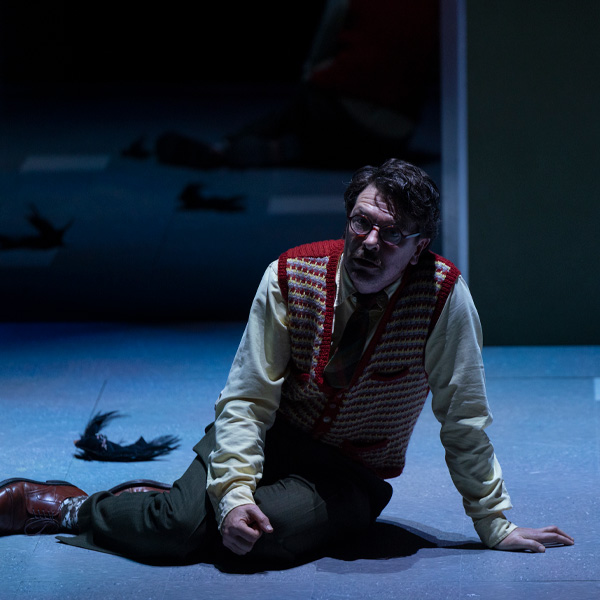
Eliza has opened at Melbourne Theatre Company, bringing the story of one of the earliest AI chatbots to the stage in a psychological thriller that feels surprisingly relevant almost 60 years after the technology was created.
Written by award-winning Australian playwright Tom Holloway and directed by Paige Rattray, Eliza tells the true story of Dr Joseph Weizenbaum, an MIT computer scientist who created a computer program in 1966 designed to simulate a psychotherapy conversation.
Advertisement
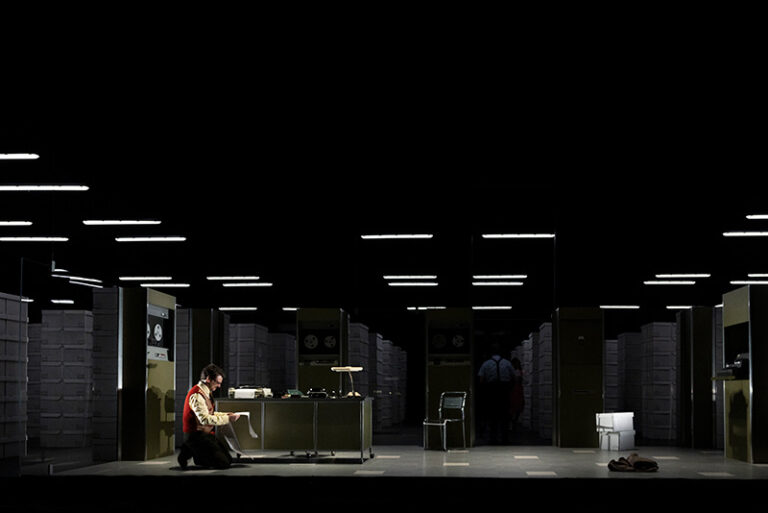
What starts as an exciting scientific breakthrough soon becomes something much more complicated.
Weizenbaum is fascinated by what he has created, but as people begin having surprisingly personal conversations with ELIZA and attributing human qualities to the computer, he starts to question exactly what he has unleashed.
And this is where Eliza feels particularly relevant in 2026.
While the technology in the play may look very different from the AI we use today, the questions are remarkably familiar. Why do we believe a machine understands us? What happens when technology begins to fill a need for human connection? And how easily can we project feelings and intentions onto something that is simply responding to us?
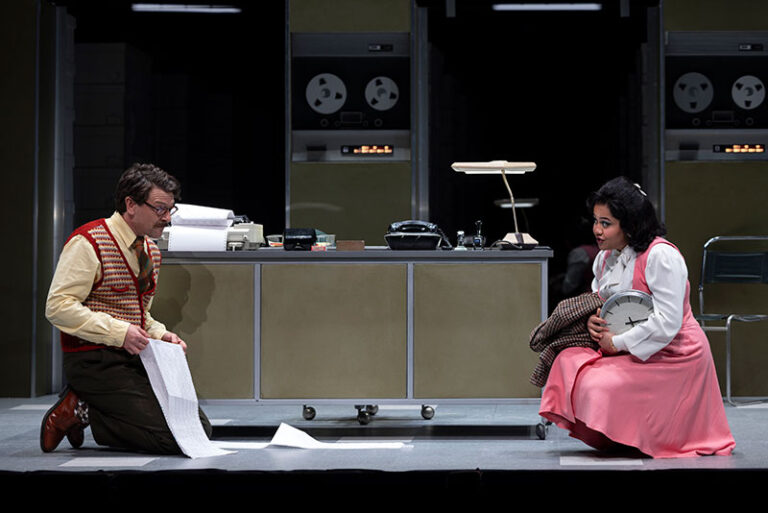
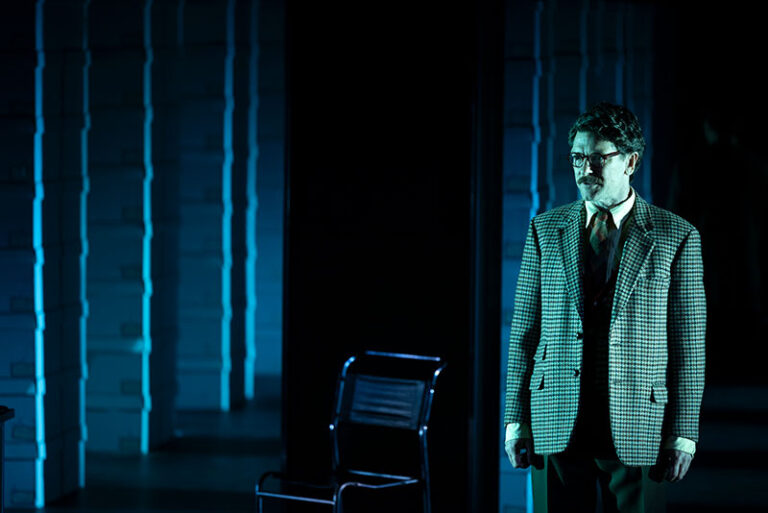
Dan Spielman is excellent as Joseph Weizenbaum, capturing his excitement as a scientist before gradually showing the darker side of what happens as his invention begins to take on a life of its own.
We also see the personal side of Weizenbaum, including the trauma of his childhood fleeing Nazi Germany, which adds another layer to his character and helps explain his complicated relationship with technology, humanity and connection.
Manali Datar is fantastic as Becky, Weizenbaum’s secretary and one of the key characters in the story. Becky is ambitious and determined to progress beyond her role as a secretary, but finds herself working within a very male-dominated scientific environment. Her growing relationship with ELIZA becomes an important part of the story, particularly as the boundaries between using the program and forming an emotional connection with it begin to blur.
Hamish Michael brings some lighter moments to the production as Weizenbaum’s research assistant Ronald, but it’s his portrayal of Marvin Minsky that provides some of the biggest laughs. He is hilarious in the role, while also taking on several other characters throughout the play.
Advertisement
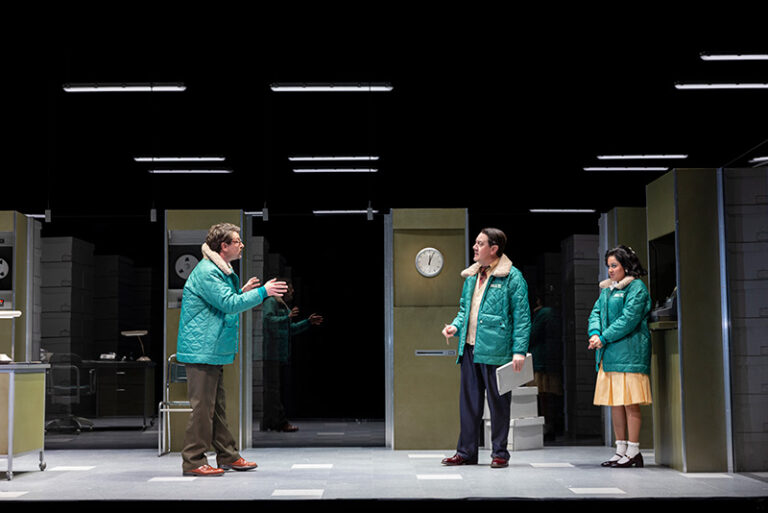
The production design is also worth mentioning.
Dale Ferguson’s set is relatively stripped back, creating the inside of an MIT office with a desk, computers, glass walls and a clock that constantly reminds you that time is passing. Behind it, however, are rows upon rows of boxes.
At first they appear to be nothing more than university files and paperwork, but their uniform arrangement also brings to mind the concrete blocks of the Memorial to the Murdered Jews of Europe in Berlin.
That connection feels particularly significant given Weizenbaum’s childhood and his family’s escape from Nazi Germany. The repetition of the boxes creates a feeling of confinement, while their sheer number makes the office feel like it sits within something much larger and more unsettling.
I also liked the way the boxes take on a completely different purpose later in the production. Through projections, they become a surface for images and reflections, at one point creating the impression of an audience sitting and watching a performance.
The lighting by Paul Jackson is equally important in shaping the mood. It changes subtly as we move further into Weizenbaum’s memories and state of mind, particularly during his encounters with ELIZA and the more unsettling moments of the play.
There is one particularly moment when lights move through the theatre before black birds fall from above. It’s unexpected and unsettling, creating the feeling that something beneath the surface is beginning to come apart.
Kelly Ryall’s sound design adds to this increasingly unsettling atmosphere, helping shift the production from the world of a university office into something much more psychological as we move deeper into Weizenbaum’s memories and mind.
At its heart, Eliza is less about the technology itself and more about what we bring to it, our loneliness, our need to be heard and our tendency to find meaning in something that responds to us.
It is quite incredible to think that many of the concerns surrounding AI today were already emerging when ELIZA was created in 1966. The technology has changed enormously, but our relationship with it perhaps hasn’t changed as much as we might think.
Eliza takes a fascinating moment in the history of AI and turns it into a story about loneliness, connection and what it means to be human.
If you have been following the rapid growth of AI over the past few years, there is plenty here to think about, and perhaps a few things that might make you look at your next conversation with a chatbot a little differently.
Eliza is playing at Melbourne Theatre Company and is recommended for audiences aged 15+. The production contains mature themes and references to the Holocaust and violence against women.
ELIZA
28 Sep — 31 Oct 2026
Southbank Theatre, The Sumner
Advertisement
We try our best to provide accurate information on kid-friendly events around Victoria but do recommend parents check details directly to confirm dates, times, prices as some details may be subject to change.
Explore our kid-friendly directory
You must be logged in to post a comment.

